
The Racial Equity
Training Series
Racial equity training is essential for organizations seeking to build strong leadership, improve workplace culture, and deliver equitable, high-quality services. Without practical tools and accountability, equity efforts often remain theoretical. This training is designed to help teams move beyond awareness into action: creating more inclusive, responsive, and sustainable systems for both staff and the communities they serve.


The Racial Equity Training Series is a comprehensive, practice-driven initiative created by Dr. Ashley and Dr. Lipscomb

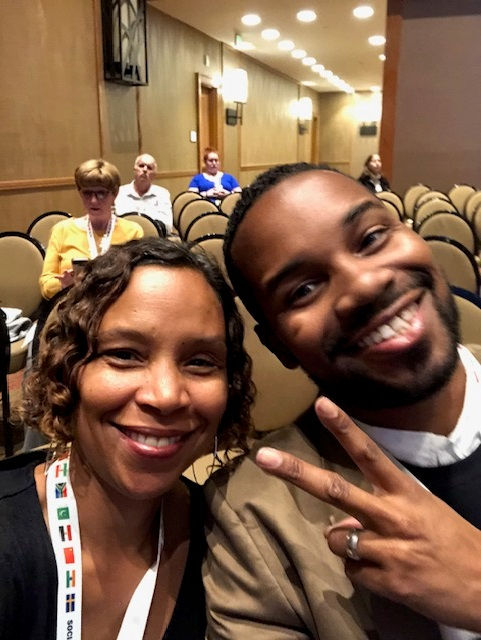
The Racial Equity Training Series is a comprehensive, practice-driven initiative created by Dr. Ashley and Dr. Lipscomb


The Racial Equity Training Series is a comprehensive, practice-driven initiative created by Dr. Wendy Ashley and Dr. Allen Lipscomb.
This series is designed to strengthen leadership effectiveness, enhance cultural responsiveness, and support organizations in aligning their values with equitable, high-quality service delivery. Grounded in antiracist and trauma-informed frameworks, this series centers the critical role of leadership in shaping organizational culture, influencing staff morale, and sustaining environments where both employees and clients can thrive.
This multi-session series consists of specific modules, tailored to the specific needs, goals, and context of each organization, ensuring relevance across diverse systems and service settings.
Together, these sessions guide participants from foundational understanding to applied practice, integrating theory with intentional skill development and structured opportunities for implementation. Participants are equipped with concrete tools to examine policies, disrupt inequitable patterns, and operationalize equity in everyday decision-making.
A central focus of the series is leadership efficacy - supporting supervisors and executives in developing the skills necessary to lead with clarity, accountability, and cultural humility. Emphasis is placed not only on conceptual understanding, but on building practical competencies in areas such as navigating difficult conversations, providing and receiving feedback, and fostering psychologically safe, feedback-rich environments. These efforts are directly linked to improved staff retention, increased morale, and more cohesive, mission-aligned teams.
In parallel, the series emphasizes the translation of equity, diversity, and inclusion principles into tangible improvements in service delivery. By integrating trauma-informed approaches with antiracist practice, and by prioritizing skill-building alongside reflection, organizations are better positioned to meet the complex needs of the communities they serve, while also addressing the internal conditions that impact workforce sustainability.
This work reflects a sustained commitment to bridging theory and practice; moving beyond conceptual discussions of equity to actionable strategies that transform both organizational systems and day-to-day interactions.
Previous clients include the Los Angeles Homeless Services Authority (LAHSA), the Los Angeles County Department of Mental Health (DMH), AIDS Project Los Angeles (APLA), and the South Los Angeles Regional Center.


Complement the Racial Equity Training Series with Transformative Supervision Handbook: a practical guide for turning awareness into reflection, accountability, and action.
Transformative Supervision Handbook
